Consent

This site uses third party services that need your consent. Learn more

Skip to content
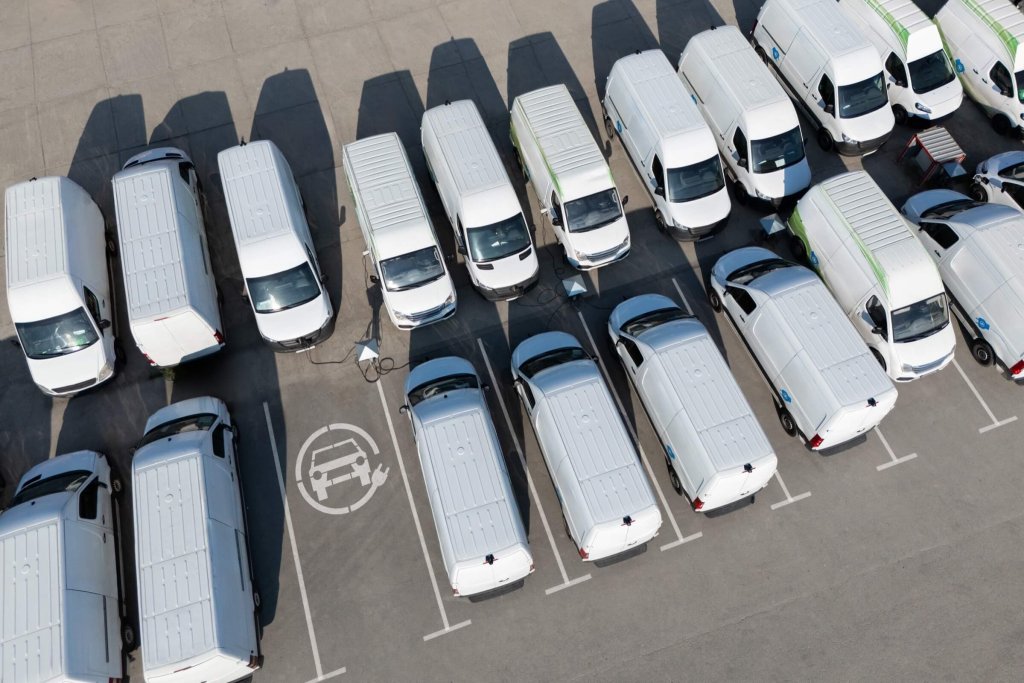
An aerial view of white vans parked in rows.

Industry insight

Planning your recovery with an electric fleet

Going electric? Don’t forget your recovery plan

More and more fleets are adding electric vans and HGVs. They’re cleaner, cheaper to run in many cases and help with clean air zones. But there’s one part of the switch that’s easy to overlook: what happens when an EV breaks down or is in an accident.

Electric vehicles bring new risks – high voltages, stored energy and the potential for battery fires – so recovering them safely takes specialist knowledge. Here’s how to make sure your fleet is ready.

1. Make sure your drivers know what to do

Your drivers are first on the scene. They need to know the basics: get to safety, don’t touch damaged parts, look out for signs of a battery problem and always tell the recovery provider it’s an EV. A short briefing and a card in the cab can go a long way.

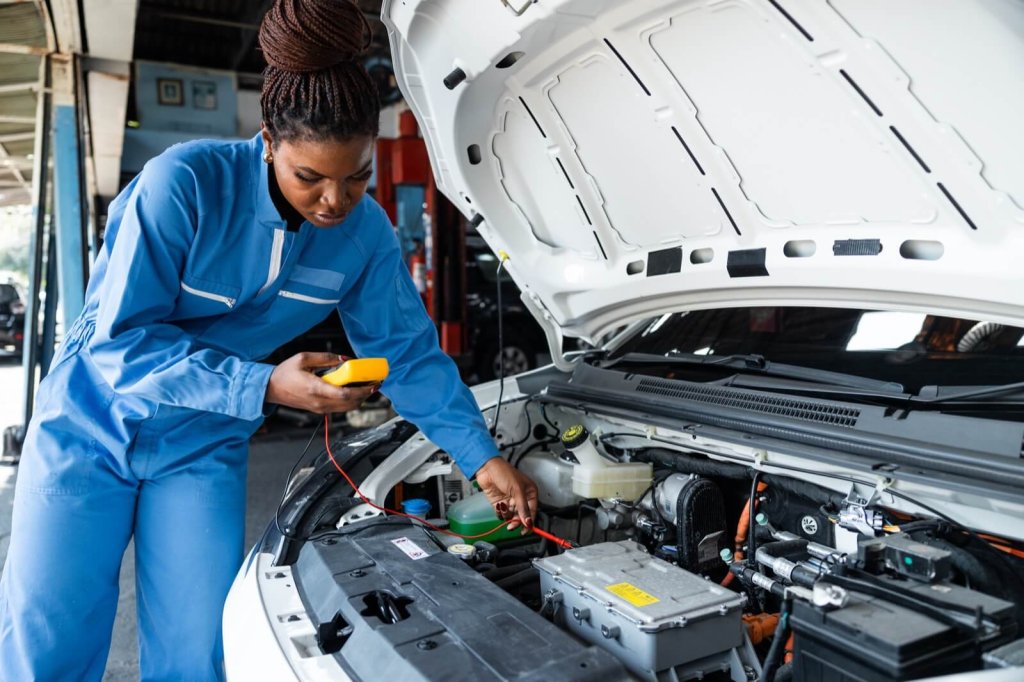
A technician testing the engine bay of an electric van.

2. Check your recovery partner has trained EV technicians

This is the big one. Not every recovery operator has technicians qualified to work on high-voltage systems. And the industry-wide gap is real – the Institute of the Motor Industry says only around 35% of UK technicians are qualified to work on EVs, with a forecast shortfall of more than 43,000 by 2035.

Ask your provider directly: who will turn up, and what training do they have?

3. Ask about equipment for high-risk incidents

Most EV breakdowns are routine. But a damaged battery can be dangerous, and standard approaches used for petrol and diesel vehicles aren’t always enough. Find out whether your recovery partner has the vehicles and processes to deal with a high-risk EV safely.

4. Think about where vehicles go afterwards

A damaged EV shouldn’t just be parked next to other vehicles. Plan where recovered EVs will be taken and stored, whether that’s your depot, a specialist workshop or a secure site.

5. Build EVs into your incident process

Update your breakdown and accident procedures to cover EVs: who to call, what information to give and how to keep everyone updated. That way, nobody’s working it out at the roadside.

The bigger picture

Electric fleets are a positive step, but the industry is still catching up. Emergency responder guidance and safety standards have had to evolve quickly, and training is playing catch-up with the number of EVs on the road. Fleets that plan ahead now will be in a much stronger position.

How we can help

We’re ready for electric. Our team includes fully trained EV specialist technicians, and our First Mover is designed for high-risk recoveries such as battery fires. Our control room sends the right vehicle first time, and if your EV can’t be fixed at the roadside, we’ll recover it to wherever you need – your depot, a preferred workshop or one of our secure sites.

Planning an EV fleet? Get in touch and let’s talk recovery.
Whatever you need, we’ve got you covered.

Whether you need a recovery right now, a quote for a specialist job, or a fleet partner you can rely on – tell us what you need and we’ll come right back to you.

* Required fields. We’ll only use your details to respond to your enquiry. See our Privacy notice for further information.

This site is protected by Turnstile and the Cloudflare Privacy Policy and Terms of Service apply.

Thank you, we received your message and will contact you as soon as possible.

Thank you, we received your message and will contact you as soon as possible. There are problems with your form input: