Consent

This site uses third party services that need your consent. Learn more

Skip to content
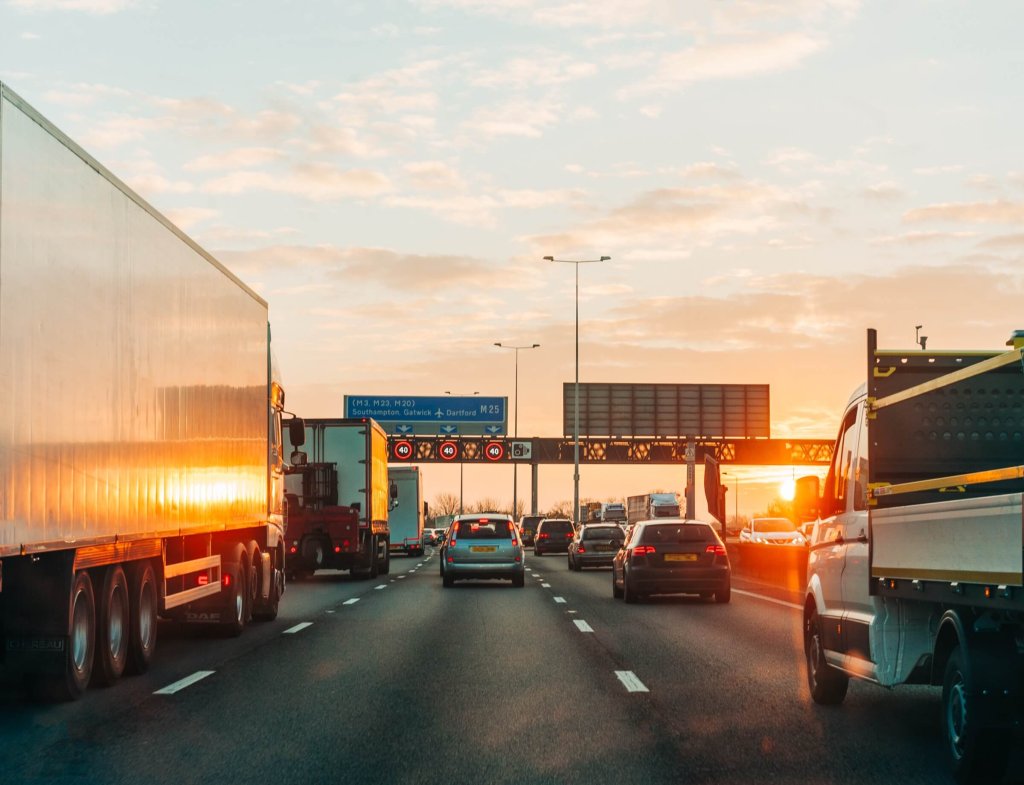
Lorries on a motorway at sunset beside an overhead gantry.

Industry insight

Britain’s favourite HGVs

The most common types of HGV on UK roads

Spend five minutes on a motorway and you’ll pass dozens of heavy goods vehicles. But they’re not all the same. Each type is built for a different job – and when one breaks down, each needs a slightly different kind of help.

Here’s a plain-English guide to the most common types of heavy commercial vehicle on UK roads.

Rigid lorries

A rigid lorry has its cab and load area on one fixed chassis. They range from 7.5-tonne trucks you’ll see making local deliveries to large rigids with multiple axles. Easier to manoeuvre than an artic, they’re the go-to for town and city work.

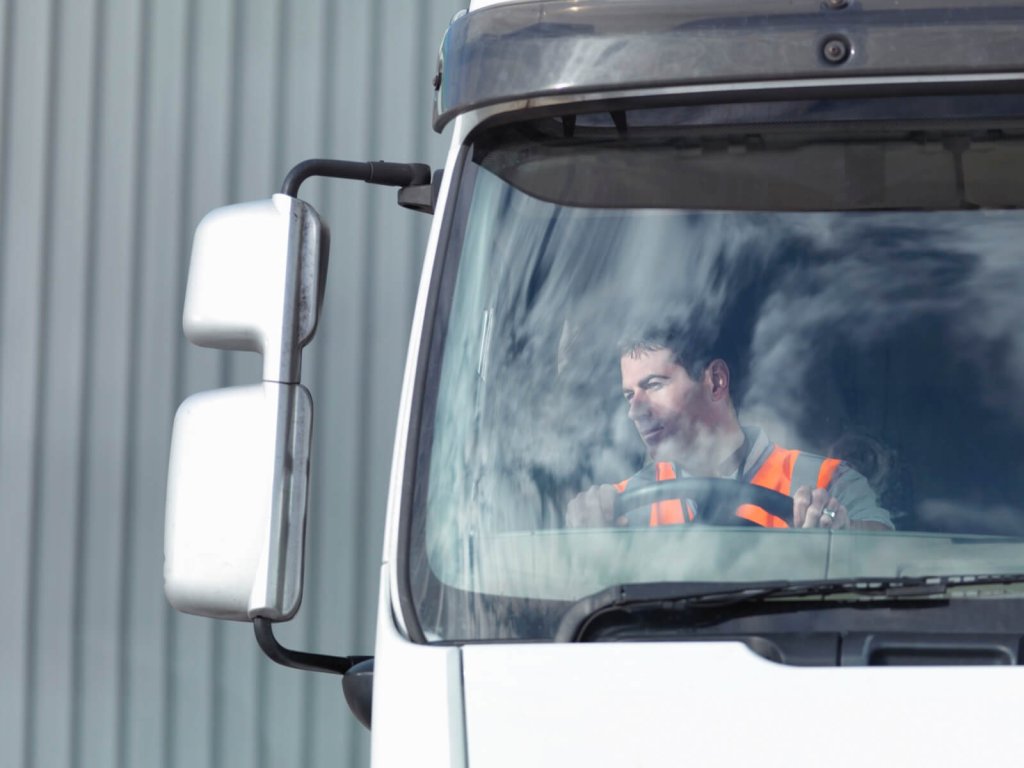
A lorry driver seen through the windscreen of his cab.

Articulated lorries (“artics”)

The classic big rig. An articulated lorry is made up of a tractor unit (the cab) and a separate trailer that hooks onto it. The joint between them lets the vehicle bend round corners. Most can run at up to 44 tonnes, making them the workhorse of long-distance freight.

Curtain-siders

A trailer or rigid body with fabric curtains along the sides that pull back for easy loading by forklift. They’re everywhere, carrying palletised goods of all kinds.

Box vans and refrigerated trucks

Fully enclosed bodies that keep goods secure and dry. Refrigerated versions (“reefers”) keep food, flowers and medicines at the right temperature – which makes a breakdown especially time-sensitive.

Tippers

Used in construction, quarrying and waste, tippers raise their body to unload loose materials like sand, gravel and aggregate. They often work off-road, on building sites and in quarries.

Tankers

Tankers carry liquids or gases, from milk and water to fuel and chemicals. Many carry hazardous goods, which means any incident needs careful, specialist handling.

Flatbeds and low loaders

Open platforms for big, awkward or heavy loads, such as steel, timber, machinery and plant. Low loaders sit close to the ground so they can carry tall or very heavy items.

Car transporters

Double-deck trailers that move new and used cars around the country, usually carrying up to around ten at a time.

Why it matters when something goes wrong

Each of these vehicles brings its own recovery challenges. A tipper stuck on a building site needs a different approach to a refrigerated trailer on the motorway, or a tanker carrying fuel.

That’s why the first call matters so much. We ask about the vehicle, the load and the location, then send the right vehicle from our fleet of over 400 – whether that’s a heavy underlift, a low loader, a rotator or a Hiab accident unit.

Whatever you run, we can recover it. Get in touch with our team.
Whatever you need, we’ve got you covered.

Whether you need a recovery right now, a quote for a specialist job, or a fleet partner you can rely on – tell us what you need and we’ll come right back to you.

* Required fields. We’ll only use your details to respond to your enquiry. See our Privacy notice for further information.

This site is protected by Turnstile and the Cloudflare Privacy Policy and Terms of Service apply.

Thank you, we received your message and will contact you as soon as possible.

Thank you, we received your message and will contact you as soon as possible. There are problems with your form input: